


Coaching changed when teams stopped sharing the same room every day. We have seen it in small teams, large departments, and cross-border projects. A good conversation no longer happens by chance near a desk. It must be designed with more care.
Hybrid and remote teams can do strong work, but they need coaching that matches their reality. According to Gallup’s Hybrid Work Indicator, many remote-capable employees now work either hybrid or fully remote, and both groups show stronger engagement and well-being than on-site peers in similar roles. That alone tells us something simple. Work has shifted, so coaching must shift too.
Coaching remote and hybrid teams works best when we adapt rhythm, trust, and communication to the team’s real context.
Start with the system, not just the person
When a manager says, “My team is less connected,” the issue is rarely only personal. We often find a mix of uneven access to information, meeting overload, unclear expectations, and hidden distance between people who work in different places.
That is why we begin by reading the whole system. We look at how decisions move, who gets included, where delays happen, and which voices are heard first. In a hybrid team, the people in the office can shape the mood and the pace without noticing it. The people at home may look quiet, but often they are simply outside the informal loop.
Distance changes behavior.
Before giving advice, we ask a few grounded questions:
Where does the team lose clarity?
Who has more access to leaders and fast updates?
Which meetings create value, and which only create noise?
What tensions stay hidden because people log off too fast?
This wider view helps us coach without blaming individuals for patterns created by the work setting itself.
Adjust the coaching rhythm
In office settings, leaders often rely on spontaneous contact. In remote settings, that disappears. If we do not replace it with a clear rhythm, small issues grow in silence.
We recommend a coaching rhythm with three layers. Each one serves a different need, and together they reduce confusion.
Weekly short check-ins for priorities, blocks, and emotional tone.
Monthly deeper coaching talks for growth, feedback, and reflection.
Quarterly team reviews for shared habits, trust, and ways of working.
This structure prevents coaching from becoming reactive. It also helps quieter team members prepare their thoughts. In our experience, some people speak better when they know the space is protected and not rushed.
Regular coaching beats occasional rescue conversations.
A leader once told us, “I thought no news meant all was well.” Two months later, three team members were drained, one was detached, and another felt unseen. The work was moving, but the relationships were thinning. This is common in remote work. Output can hide strain for a long time.

Coach managers to lead with visibility
Many coaching efforts fail because leaders treat remote work like office work with screens added. It is not the same. In distributed teams, people need visible norms.
We guide managers to make a few things explicit:
How fast replies are expected in each channel.
When a message is enough and when a call is better.
What good work looks like for each role.
How decisions are documented and shared.
When people are free to work in focused silence.
This may sound basic, but it changes daily life. Teams become calmer when they do not have to guess the rules. An LSE report on remote work and management practices found that firms investing in staff training and structured management habits were much more likely to report positive results. We see the same pattern. Better structure supports better coaching.
Remote coaching improves when managers turn hidden assumptions into shared agreements.
Make trust measurable in everyday behavior
Trust is not built by saying, “My door is always open,” when there is no door and no shared hallway. In hybrid and remote teams, trust grows through repeated signals.
We encourage leaders to watch for concrete signs:
Do people ask for help early?
Can they disagree without fear?
Do they admit delays before a deadline passes?
Are cameras and chat used as tools, not tests of loyalty?
Sometimes a team looks polite but not safe. Everyone is pleasant. No one is honest. That kind of team needs coaching around candor, not harmony.
One practice we like is the closing round in team meetings. Each person shares one win, one concern, and one need for the week. It takes a few minutes. Still, it often reveals more than a long status report.
Trust grows in small moments.
Personalize support without losing fairness
Remote work does not affect everyone in the same way. A Cornell ILR Review meta-analysis on working from home found a small positive average effect, but also large differences by gender, parental status, and region. This matters in coaching.
We should not assume that the same strategy helps everyone. One person may need more autonomy. Another may need sharper boundaries because home and work keep blending. One team member may thrive in written feedback, while another needs live conversation to process tension.
Good coaching holds both sides at once:
Fair standards for the whole team.
Flexible support for each person’s context.
Clear outcomes with different paths to reach them.
That balance matters. If flexibility feels random, people lose trust. If fairness becomes rigid sameness, people lose support.
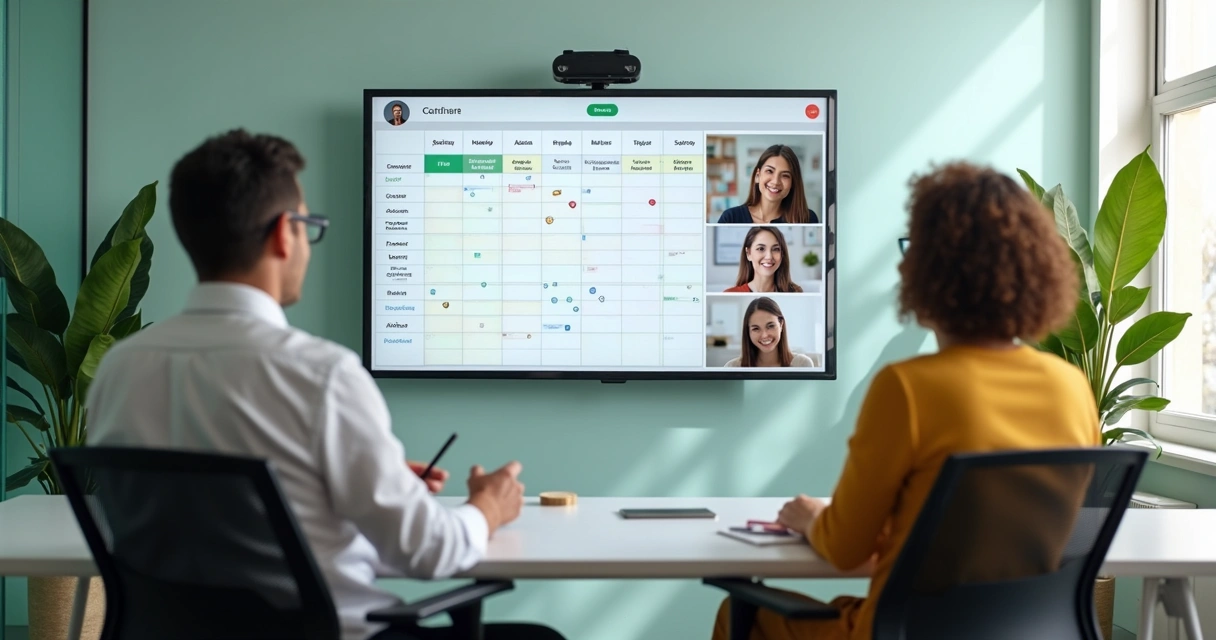
Use tools with purpose
Teams do not need more tools. They need cleaner use of the tools they already have. We prefer coaching around function, not novelty.
Usually, teams need four simple spaces:
A video platform for face-to-face coaching talks.
A chat tool for quick questions and social contact.
A shared document space for notes, goals, and follow-up.
A task board for visible commitments and ownership.
When each space has a purpose, stress drops. When all communication happens everywhere, people get tired fast. We think the real coaching task is to reduce friction, not add digital clutter.
Conclusion
Adapting coaching for hybrid and remote teams is less about distance and more about design. We need clearer rhythms, visible norms, fair flexibility, and real trust practices. We also need to see the team as a living system, not just a set of isolated workers on separate screens.
If we coach only for tasks, we miss the strain beneath them. If we coach only for feelings, we miss the structures shaping them. The best approach holds both. It supports people, while also adjusting the conditions in which they work.
Hybrid and remote coaching becomes stronger when we make connection intentional instead of accidental.
Frequently asked questions
What is hybrid team coaching?
Hybrid team coaching is the practice of supporting a team whose members work partly in person and partly remotely. We focus on communication, trust, role clarity, meeting habits, and shared norms so that no group is left out of the flow of work or decision-making.
How to coach remote teams effectively?
We coach remote teams effectively by setting regular check-ins, defining clear expectations, documenting decisions, and creating safe spaces for honest feedback. Short weekly touchpoints, monthly growth talks, and clear channel rules usually help a lot.
What challenges do hybrid teams face?
Hybrid teams often face uneven access to information, weaker informal connection, meeting imbalance, delayed feedback, and misunderstandings about availability. People in the office may gain more visibility, while remote members can feel left out unless leaders build fair structures.
What tools help coach remote teams?
The most helpful tools are usually a video platform, a chat space, shared documents, and a task board. We use them best when each tool has a clear role, such as coaching conversations, quick updates, goal tracking, or follow-up notes.
How can I build trust remotely?
We build trust remotely through steady behavior. That includes honest check-ins, clear commitments, respectful response norms, and room for disagreement without blame. Trust grows when people feel seen, informed, and safe to speak before problems get bigger.