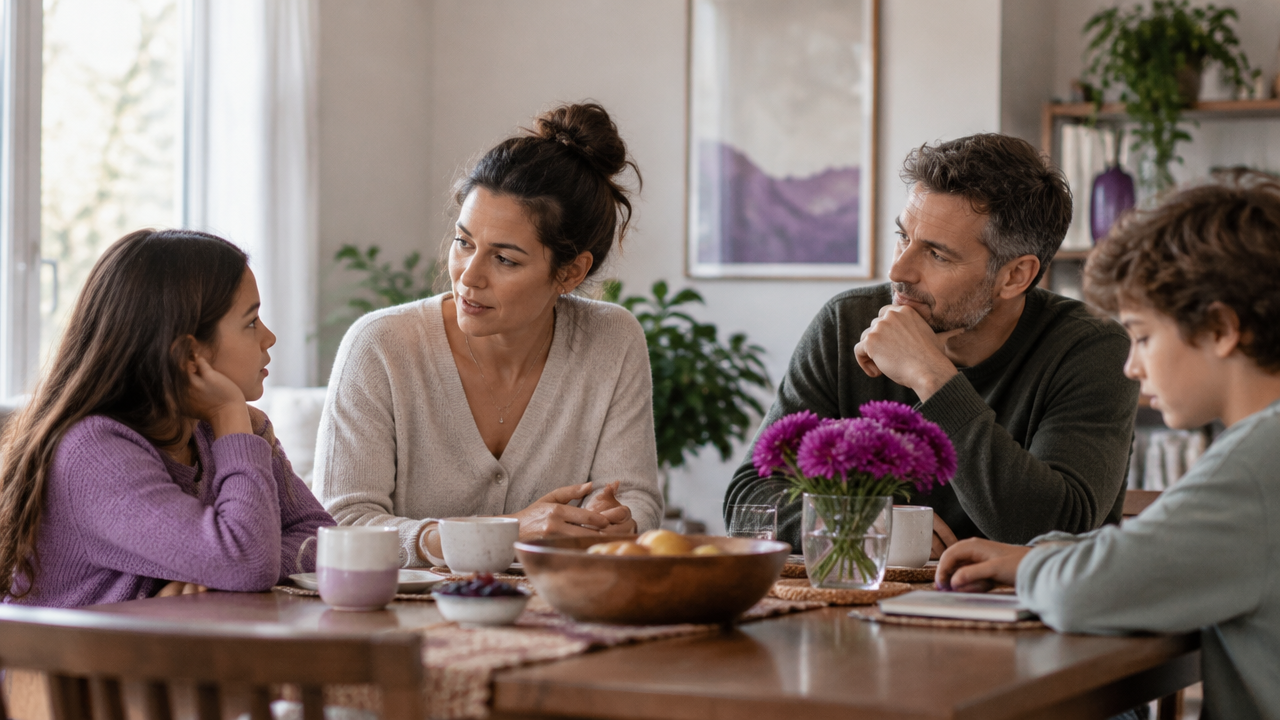


Grief is most often seen as something individual, silent, and private. Yet, in many situations, loss does not happen in isolation. As we have seen time and again, organizations, communities, and families can find themselves grieving together: after a tragedy, a major shift, or a loss that reshapes the collective experience. Coaching through collective grief invites us to see group support as a living process, where mutual presence can help transform pain into deeper connection and meaning.
Understanding collective grief
Collective grief surfaces when groups of people feel the weight of a shared loss. It could be the aftermath of a sudden company layoff, the loss of a leader, a community tragedy, or even cultural changes that shake shared identities. What makes collective grief unique is that:
- It is lived simultaneously by many individuals, but in interconnected ways
- It often reveals silent patterns, fears, and hopes within the group
- It can feel overwhelming, sometimes because it blurs the line between personal and group emotions
In our experience, when collective grief appears, the air in the room changes. Words come slower. Even strong teams can seem to hesitate, unsure what comes next.
Everything feels different when everyone is hurting together.
Understanding this shared landscape is the first step in effective coaching support. We listen for echoes: not just a person’s story, but how everyone’s story weaves together.
Why group support matters in collective grief
We have found that grief within a group can either fragment or connect. When left unaddressed, silence grows. People may withdraw or blame. But when a group is intentionally supported, new forms of trust often emerge.
Some benefits of group support during collective grief:
- Normalizing feelings by witnessing that “I’m not alone in this”
- Offering structure and safety so big emotions do not overwhelm
- Opening possibility for meaning-making and growth
- Strengthening bonds and shared purpose through empathy
Group support transforms the narrative from isolated suffering to shared healing. This is the foundation of more mature, resilient relationships within any system.
The coach’s role: holding the space
The presence of a coach is not to “fix” grief. Instead, our role is to hold a space where honest feelings can surface and where the group feels respected and seen. This includes:
- Reading the emotional field of the group, not just the words
- Staying grounded, even when tears or anger arise
- Allowing silence and not rushing to solutions
- Inviting each person’s experience without judgment
We have witnessed how powerful it can be when even one facilitator helps a group voice what feels unspeakable. Often, after the first person shares, others feel invited to speak as well.
Core approaches for group coaching through grief
Supporting a group through collective grief is both art and process. We usually combine several approaches, moving gently but deliberately through the stages of shared mourning, support, and transformation.
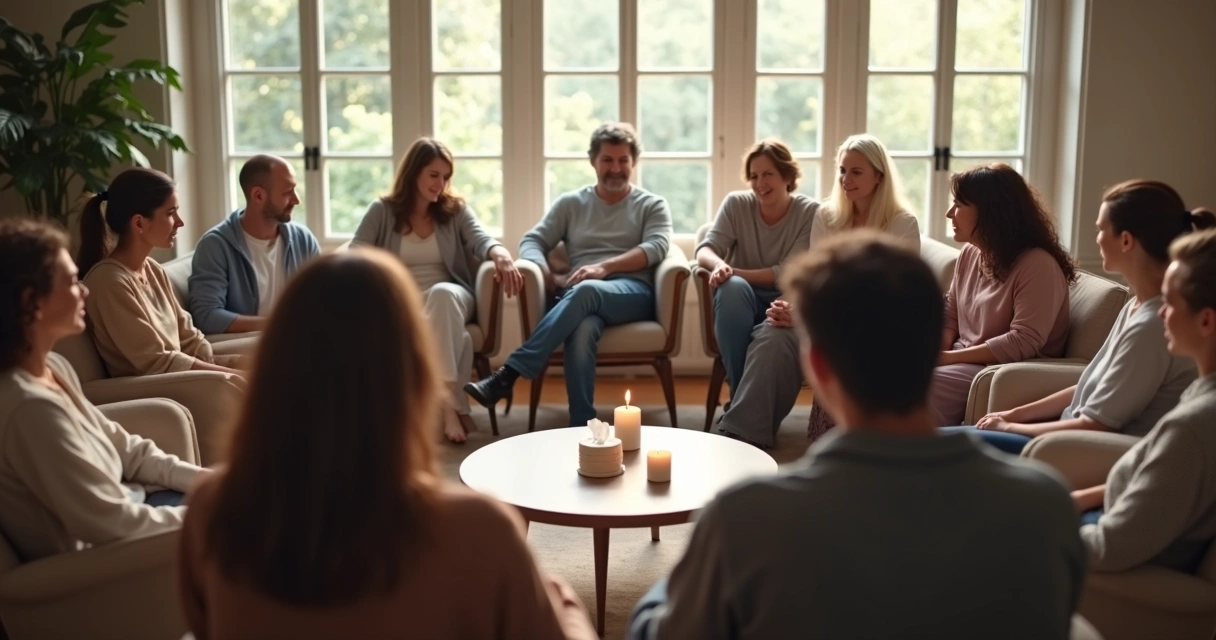
1. Creating safe ground rules
Groups need to trust that what is said is respected. We establish ground rules that can include confidentiality, respect for different stages of grief, and the option to share or simply listen.
It is okay to pass and just be present in the group; participation looks different for everyone.
2. Inviting the story of the loss
Giving names to what was lost and how it affects each member is a necessary ritual. Sometimes we invite the group to share memories or write words on sticky notes about what mattered most. This step makes the loss visible and validates the grief as real.
3. Witnessing emotions with compassion
Laying open emotion can feel like a risk, but groups who see and respect each other’s feelings move forward more honestly. As coaches, we slow down and hold space for laughter, tears, and silence.
When one person is brave enough to cry, others often find courage too.
4. Supporting each other with simple rituals
Light a candle. Share a story. Pause for a minute of silence. These rituals anchor the group and remind everyone that loss does not erase connection.
5. Identifying meaning and shared values
After acknowledgment and reflection, we help the group notice what is still strong within them—values, dreams, or learnings that the loss cannot take away. This process of meaning-making is a step toward healing as a collective.
6. Planning together for next steps
What now? We guide the group to gently consider what support they need, what boundaries might help, and how they want to honor what was lost as they move forward together.
Common group grief exercises we use
We draw from several practical exercises, which can be adapted to fit the group and context:
- Memory circles, where each member shares a short reflection or brings an object that reminds them of what was lost
- Shared journaling time, where each person writes silently, then chooses whether to read aloud
- Collaborative art, such as creating a group collage, mural, or memory board
- Guided visualization or meditation focused on compassion for self and others
These methods allow feelings to come forward in creative, gentle ways—especially for those who may not have words for their grief yet.

Potential challenges in group grief coaching
Grief is unpredictable, and so are groups. We have seen sessions that start with laughter then move to tears, or moments when silence feels heavy. Some common challenges include:
- Participants trying to protect each other by not talking about the loss
- Differences in how quickly people process grief
- Unspoken power dynamics that make some feel less comfortable sharing
Our role is to stay present, flexible, and curious. Sometimes naming the tension (“We notice there’s a lot of quiet. What’s happening for you all?”) can shift the atmosphere gently.
Signs of group healing
As support continues, certain signs tell us that a group is moving forward together:
- Open sharing increases, and members show more interest in others’ stories
- The tone shifts from only sadness to include laughter or future plans
- There is more clarity about what the group needs next, whether it’s more support or readiness to focus on new goals
Healing is when the group can carry both the pain and the hope, side by side.
Conclusion
Coaching through collective grief asks for presence, patience, and deep respect for each person and the group as a whole. When we hold space for shared loss with care, we make room for new meaning, honest connection, and the courage to move forward together. By paying attention to the subtle currents of group emotion and supporting open expression, we empower teams and communities not just to survive loss, but to grow through it. The path is never straight, but, step by step, group support becomes the foundation for true reconciliation and renewal.
Frequently asked questions
What is collective grief in coaching?
Collective grief in coaching refers to the shared experience of loss within a group setting, such as a team, community, or organization. It goes beyond individual pain, highlighting how a shared loss impacts relationships, group identity, and group dynamics. Coaching in this context focuses on facilitating open dialogue, mutual understanding, and creating rituals for healing together.
How can groups support collective grief?
Groups can support collective grief by providing a safe environment where emotions and stories can be shared without judgment. This involves setting ground rules for respect and confidentiality, validating different reactions to loss, and engaging in shared rituals or exercises. Listening to each other, offering empathy, and giving everyone a voice are key factors in collective healing.
What are the best group grief exercises?
Some effective group grief exercises include memory circles, collaborative art projects, shared journaling, and guided meditations. These activities help members express emotions creatively and foster connection around a shared experience. Choosing exercises that fit the group’s culture and comfort level is always important.
Is group coaching helpful for grief?
Yes. Group coaching is often helpful for grief because it creates community, normalizes feelings, and provides tools for shared meaning-making. When facilitated well, group coaching can shift isolation into togetherness, which supports long-term healing for both individuals and the group as a whole.
How to start a collective grief session?
To start a collective grief session, state clear ground rules for safety and respect, acknowledge the shared loss, and invite each person to participate at their own pace. The facilitator may open with a simple ritual—such as lighting a candle or a minute of silence—to mark the moment. Then, gentle questions or prompts can help group members begin to share and listen in an open-hearted way.