


We often hear a person say, “My family shuts down whenever this topic comes up.” That moment tells us something bigger is happening. It is not just one person refusing to talk. It is a group protecting a shared balance, even if that balance is painful.
Collective resistance in families is the shared push against change, truth, or discomfort.
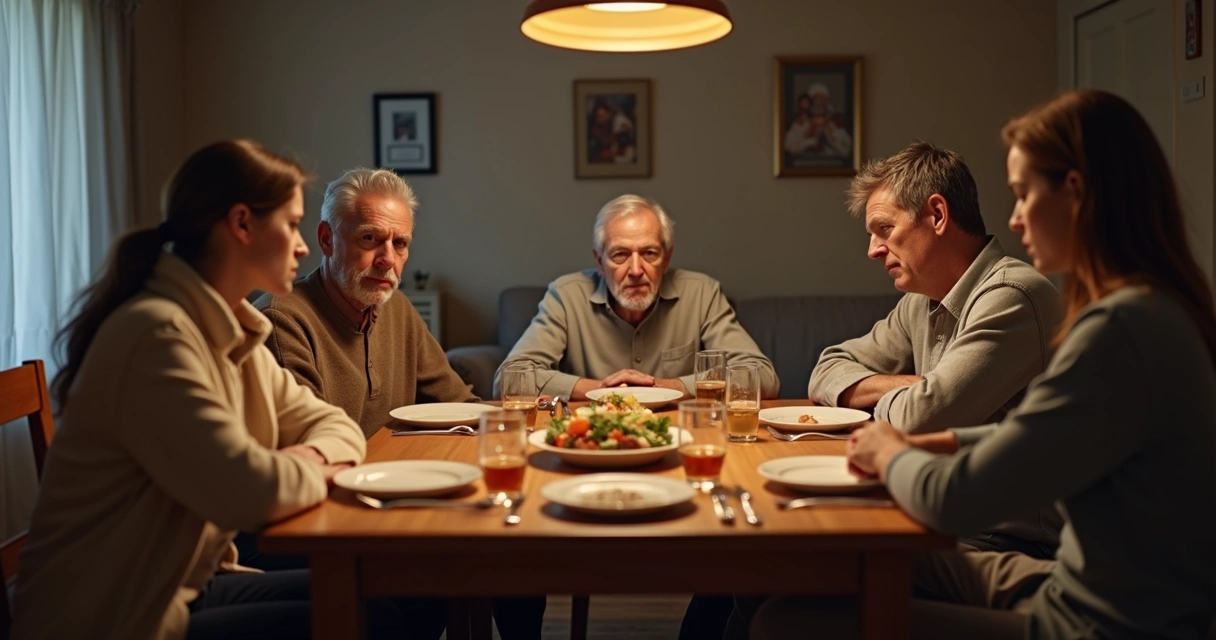
In our experience, this resistance can look quiet or loud. Sometimes it comes as silence at dinner. Sometimes it appears as jokes, blame, or sudden subject changes. A family may reject one member’s new boundary, deny an old wound, or defend a pattern that hurts everyone. Strange, yes. But common.
When we decode collective resistance, we stop seeing one “difficult person” and start seeing a system under pressure. That shift matters. It helps us respond with more clarity and less reactivity.
What collective resistance usually protects
Most families resist change for a reason. The reason may not be fair, but it usually makes sense inside the family story. We have seen this in homes where everyone knows there is tension, yet no one wants to name it. The silence itself becomes a rule.
Resistance often protects things such as:
- A fragile sense of unity
- Old loyalties to parents or grandparents
- Fear of shame, blame, or rejection
- Roles that feel familiar, even when painful
A parent may say, “We do not talk like that here.” A sibling may laugh off a serious concern. An older relative may call a harmful pattern “just how families are.” These reactions are not random. They defend a structure that has been in place for years.
Resistance protects a bond before it protects the truth.
This does not mean the family is bad. It means the group has learned to survive by avoiding certain forms of discomfort.
How patterns move across generations
Many families resist because they carry unfinished material from earlier generations. We may think we are dealing with a current disagreement, but often the force behind it is older. A father who grew up in constant conflict may panic when his child voices frustration. A mother raised to keep peace at all costs may shut down direct talk.
Research on intergenerational conflict patterns found measurable links between conflict in parents’ families of origin and their later parenting, with effect sizes ranging from β = 0.23 to 0.33. That is not a vague idea. It shows continuity. What is not worked through can move forward.
We think this helps explain why some families react so strongly to one person trying to do things differently. The new action does not only affect the present. It touches old loyalties, old fear, and old pain.
Signs that resistance is collective, not individual
It is easy to label one person as the problem. Yet group resistance has a different feel. It tends to repeat across people and situations. We notice several signs that point to a shared pattern.
These signs often include:
- Several relatives changing the subject at the same time
- Pressure on one person to “keep the peace”
- Quick defense of harmful behavior because “family comes first”
- Denial of events that many people remember clearly
- Isolation of the member who speaks openly
When a whole family reacts as one body, the issue is rarely just personal.
We once saw a simple scene that says a lot. One adult child calmly asked why everyone ignored a grandparent’s harsh treatment of a cousin. Within minutes, the room split into roles. One minimized. One blamed stress. One asked for silence. One left. The issue was not only the grandparent’s behavior. The issue was the family’s shared agreement not to disturb the order.
Why hidden tension matters
Resistance is not harmless just because it is familiar. Ongoing tension shapes mental health, family trust, and even safety. This is especially true when a family stays together outwardly while emotional strain remains high.
A large study of parent and child households found that many parents in unhappy relationships remained married, and children in those homes showed higher odds of depression, anxiety, non-suicidal self-injury, and suicide risk. We should be careful not to reduce family life to one factor, but the message is clear. Ongoing relational tension affects children deeply.
Older adults can also become targets of family systems that hide conflict rather than face it. A national study on elder mistreatment reported that about 11% of older adults living in the community experienced at least one form of abuse by family members in the past year. Emotional abuse, neglect, and financial exploitation were all part of that picture. In a related public summary, the U.S. Department of Justice noted that more than 10% of adults aged 65 and older experience some form of elder abuse in a given year.
These facts remind us that family resistance can hide real harm. Silence is not always peace.
How family structure can intensify resistance
Some homes carry more layers of interaction than others. In multigenerational households, old roles and new needs often collide in the same daily space. Love may be present, but so is density. There are more people, more loyalties, and more chances for tension to become shared.
U.S. Census Bureau data on multigenerational households showed that in 2020 about 7.2% of U.S. family households included three or more generations under one roof. We see how this can make resistance stronger. A young adult setting a boundary may not only upset a parent. It may disturb grandparents, siblings, and old family expectations all at once.

How we can respond without making it worse
Once we see collective resistance, the next step is not to force a breakthrough. Pushing too hard can make the system close even more. We prefer a steadier path.
A helpful response often follows a sequence:
- Name the pattern, not the villain.
- Speak in clear, calm language.
- Set one boundary at a time.
- Allow discomfort without rushing to fix it.
For example, instead of saying, “You all deny everything,” we might say, “I notice this topic gets shut down fast, and I want to stay with it for a moment.” That lowers threat. It also keeps the focus on what is happening now.
The goal is not to win against the family, but to relate with more truth and steadiness.
We also think it helps to watch our timing. Hard truths land better when people are not already flooded. A private talk may work better than a holiday confrontation. Small shifts can open space that a dramatic speech would close.
Conclusion
Collective resistance in families is easier to judge than to understand. Yet when we slow down, a deeper picture appears. We see fear beneath control, loyalty beneath denial, and pain beneath silence. That does not excuse harmful patterns. It helps us read them well.
If we want change, we need more than accusation. We need observation, patience, and honest limits. Families often resist because the system fears what truth might change. Still, truth has value. Spoken with care, it can loosen old roles and open room for a more mature bond.
Frequently asked questions
What is collective resistance in families?
Collective resistance in families is a shared reaction against change, open truth, or emotional discomfort. It shows up when several family members, openly or quietly, work to keep the same pattern in place.
Why do families show collective resistance?
Families show collective resistance to protect belonging, avoid shame, preserve old loyalties, and reduce fear. Even harmful patterns can feel safer than change when they are familiar.
How to deal with family resistance?
We deal with family resistance best by staying calm, naming the pattern without attacking people, setting clear boundaries, and choosing careful timing for hard conversations. Slow and steady usually works better than force.
What are signs of family resistance?
Common signs include sudden silence, repeated subject changes, denial of known events, pressure to keep peace, and blame directed at the person who speaks honestly. These signs suggest the group is defending a shared balance.
Can collective resistance be healthy?
Yes, in limited cases it can be healthy when a family pauses change to avoid chaos, protect privacy, or gain emotional stability before talking. But if resistance blocks truth, safety, or accountability for too long, it becomes harmful.