

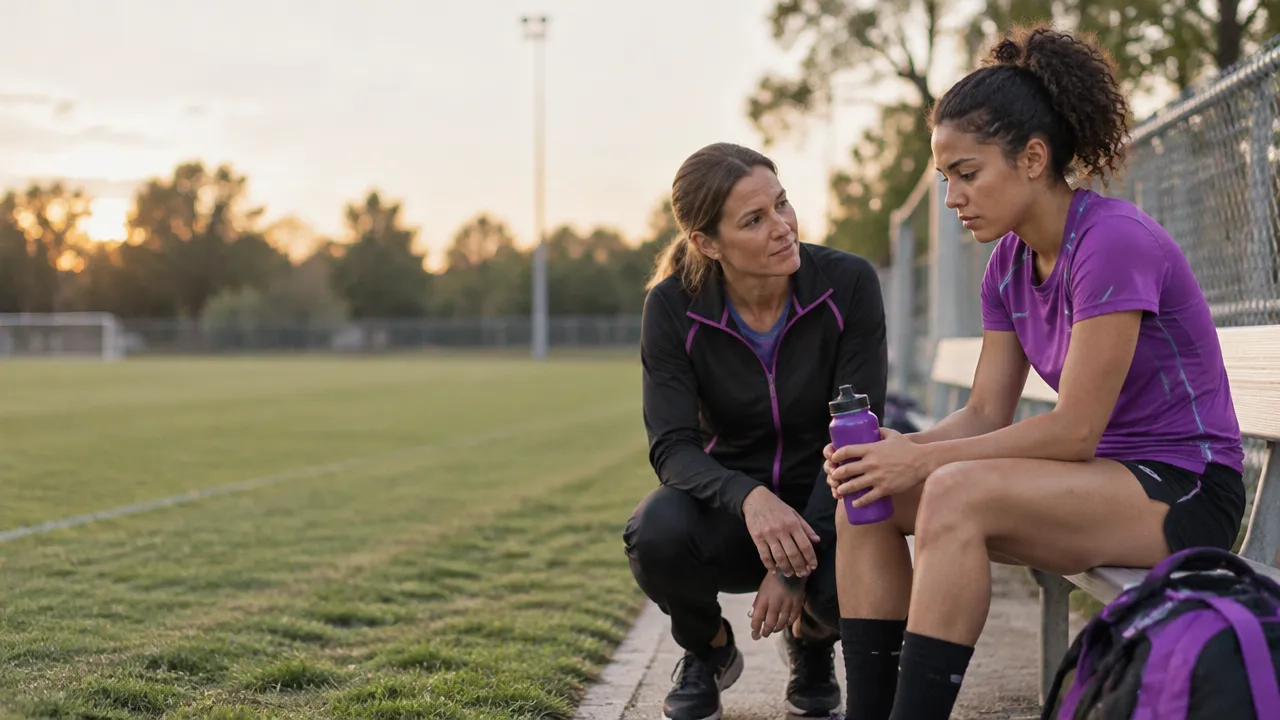
For sports coaches, care means responding to an athlete’s needs while preserving their voice, responsibility, and connection to the team. Rescuing happens when a coach repeatedly takes over decisions or removes every difficult feeling to make the situation easier. The distinction is not whether you help, but whether your help protects safety and builds the athlete’s capacity.
Key signals for coaches
- Care: You listen, clarify what is needed, and offer support within your role.
- Rescuing: You decide, speak, or act for the athlete when they could participate safely.
- First priority: Respond to immediate risk, injury, abuse, or safeguarding concerns, even when that means taking action.
- Useful test: Ask whether your response helps the athlete take an appropriate next step, or makes you responsible for every next step.
Care builds capacity, while rescuing shifts responsibility
Care combines attention with appropriate boundaries. A coach notices a struggle, asks what is happening, and offers help without assuming the athlete is incapable. Rescuing may look generous in the moment, but it shifts ownership away from the athlete and can make the coach the default problem-solver.
The difference depends on the situation, not just the action. Contacting a parent or athletic trainer may be essential for a young athlete with a serious injury. Taking over routine communication because an athlete feels nervous may prevent them from practising a useful skill. A constructive coaching question can reveal whether the athlete wants advice, practical help, or simply someone to listen.
| Coaching choice | Care tends to sound or look like | Rescuing may sound or look like |
|---|---|---|
| Communication | “What would help you decide?” | “I’ll tell them what you need.” |
| Accountability | Agree on a manageable next step together. | Take over the task and its consequences. |
| Discomfort | Stay present while the athlete works through a safe challenge. | Remove all discomfort before checking what is needed. |
| Expertise | Refer medical or mental health decisions to qualified professionals. | Act as if concern alone makes you the right decision-maker. |
Notice when help is becoming a pattern of taking over
Rescuing is more likely when a coach’s actions repeatedly reduce the athlete’s agency. One helpful intervention does not establish a pattern, and the athlete’s age, safety, ability, and team context all matter. Watch for repeated signals rather than judging a single moment.
- You feel compelled to fix a problem before asking what the athlete wants.
- You routinely contact teammates, family, or staff on an athlete’s behalf without checking whether that is appropriate.
- You lower expectations without discussing options, or shield the athlete from every reasonable consequence.
- You feel indispensable, resentful, or anxious when the athlete makes a different choice.
- The athlete waits for you to interpret every setback instead of developing their own next step.
These cues are prompts for reflection, not proof of bad intent. Coaches also work inside team systems: selection pressure, family expectations, limited staff, and a “play through anything” culture can all pull responsibility in confusing directions. The 2026 IOC consensus on athlete mental health describes well-being as a shared responsibility across the sport environment, rather than a burden for one athlete or coach to carry alone.
Supporting an injured athlete means staying in your lane
When an athlete is hurt, caring means taking the concern seriously, following established procedures, and respecting the role of qualified medical professionals. Do not diagnose, promise a return date, or pressure an athlete to train. Ask what support they want, explain team options, and keep them included where appropriate and consistent with medical guidance.
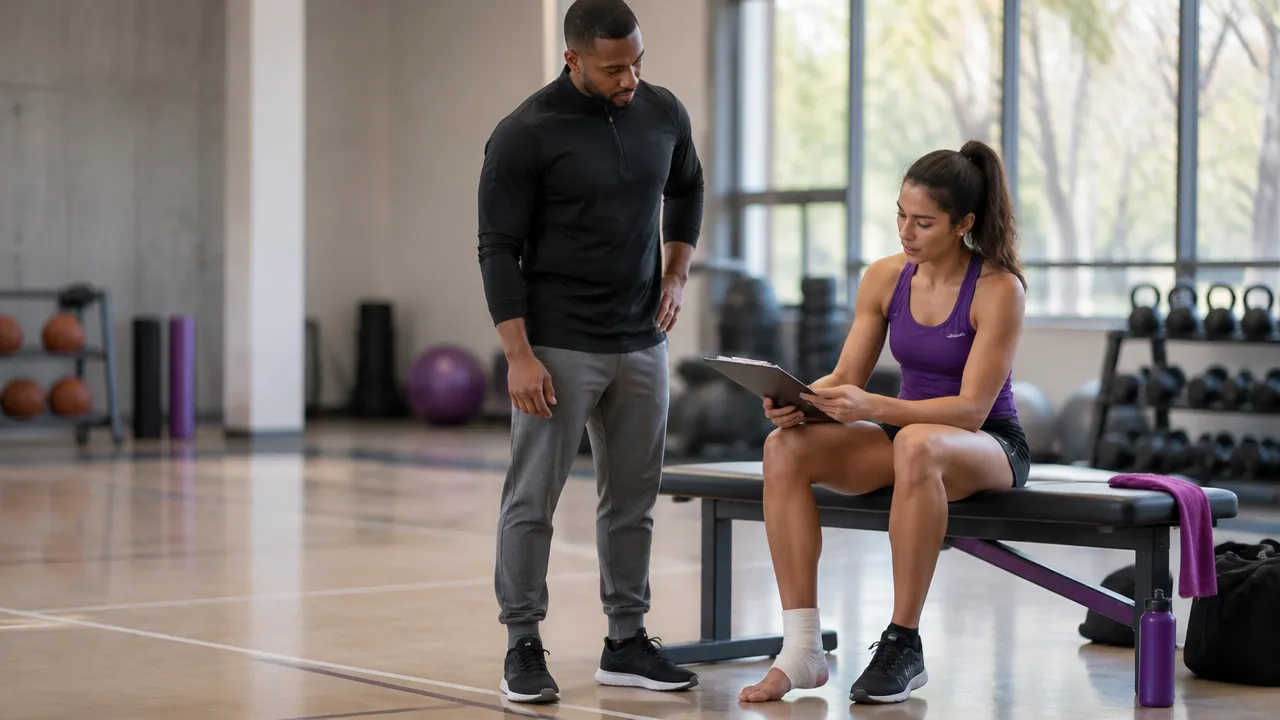
For example, an athlete worried about losing their place after an ankle injury may need reassurance and a clear process, not a promise that everything will be fine. The coach can connect them with the athletic trainer, explain how communication about selection will work, and ask whether they would like to stay involved in team activities. A team physician consensus on return-to-sport decisions emphasizes athlete-specific information and interdisciplinary decision-making, reinforcing why coaches should not make medical clearance decisions alone.
In the United States, the U.S. Center for SafeSport’s coach guidance includes written procedures for injured players and medical clearance before return to play. Follow the policies that apply to your organization and jurisdiction, and use the designated reporting channel when a safeguarding concern arises.
Use three questions before stepping in
A short pause helps coaches respond with care without confusing support with control. Ask these questions privately, then communicate clearly with the athlete:
- Is there immediate danger or a safeguarding concern? If yes, follow emergency, medical, and reporting procedures. Do not leave a person at risk to preserve their independence.
- What is mine to do, and what belongs to the athlete or another professional? Be clear about your coaching role and involve the right people.
- What is one safe next step the athlete can own? Offer choices, agree on a check-in, and let the athlete do the part they are ready and able to do.
Try language that keeps support available without taking over: “Would you like me to listen, help you think through options, or connect you with someone?” If the athlete is a minor, vulnerable, or facing serious risk, adapt this approach to safeguarding rules and involve the appropriate adults or professionals.
Boundaries are part of care, not a withdrawal of care
Care is not permissiveness, and it is not leaving an athlete alone with a problem. A coach can remain warm and dependable while holding athletes to fair expectations, respecting confidentiality limits, and referring concerns beyond their competence. Making a pattern visible can help everyone choose a better response, but it does not erase individual or organizational responsibility.
After a difficult interaction, reflect on whose needs shaped the response: the athlete’s safety and development, the team’s functioning, or the coach’s wish to end discomfort quickly. If a team dynamic is involved, a deliberate process for repairing team relationships can help restore trust without assigning the coach the role of fixing everything alone.
Frequently asked questions
What role should coaches play in caring for injured athletes?
A sports coach should provide calm, practical support, follow the athlete’s qualified medical team, and help maintain connection to training and teammates when appropriate. The coach should not diagnose, promise a return date, or pressure participation. Ask what support the athlete wants, explain team options, and follow written injury and safeguarding procedures.
What makes a really good coach?
A really good coach combines clear instruction with respect, consistency, and attention to the whole athlete. They set fair expectations, listen before acting, and adapt support to the person and situation. They also know when an issue exceeds their role and connect the athlete with appropriate medical, mental health, or safeguarding support.
What are the most important skills for a coach?
The most important skills include clear communication, attentive listening, sound sport-specific instruction, fair boundary-setting, and the ability to notice when an athlete needs more support. Coaches also need to share responsibility appropriately: encourage athlete input while involving qualified professionals for medical or mental health concerns.
How can a coach tell when support is becoming rescuing?
Support may be turning into rescuing when you routinely make decisions the athlete could safely make, speak for them without consent, or remove every consequence of their choices. Pause and check for immediate risk, ask what help they want, and agree on one next step the athlete can own. Safety and safeguarding concerns require appropriate action.