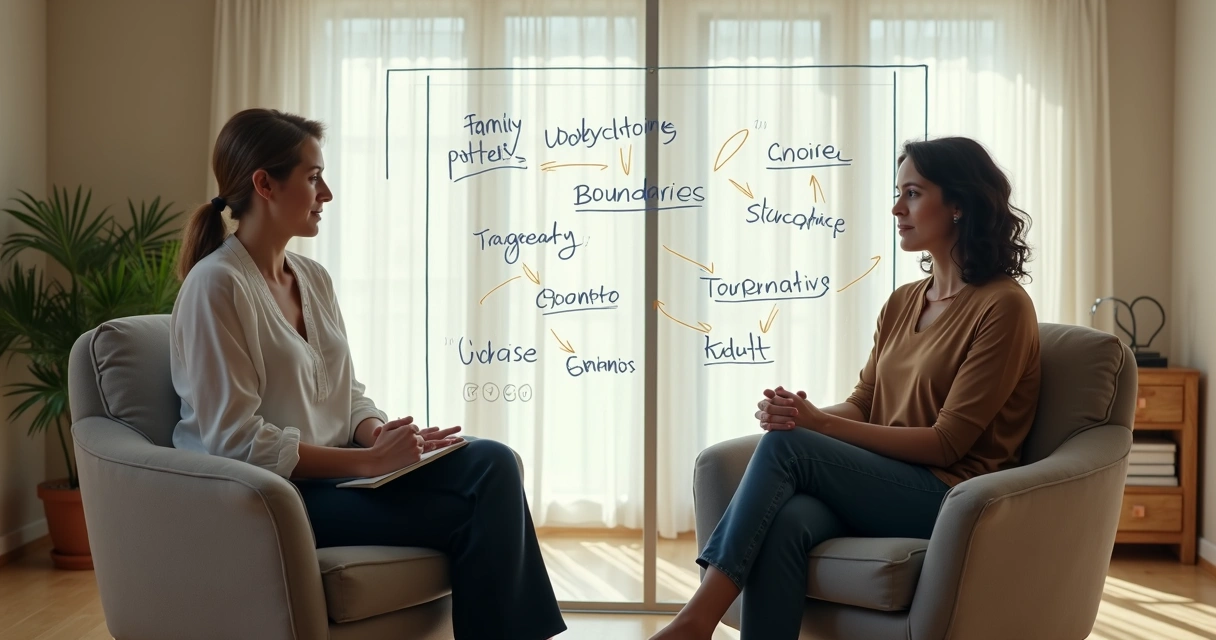


In our shared experience, self-observation within groups unlocks profound shifts. Each group member brings unique patterns, stories, and perceptions. When these energies meet, something new forms—a living field where observation itself can evolve from reactive to mature. Below, we share five ways that, when practiced regularly, help nurture mature self-observation in any group context.
Start with safe and conscious agreements
Before a group can develop mature self-observation, trust must be present. We have seen that groups become tense and defensive when safety is missing. Mature observation will not grow in an environment where people fear ridicule, exclusion, or punishment.
- Begin every group with clear agreements about respect and confidentiality. Every voice matters, and what happens in the group, stays in the group.
- Agree that the goal is understanding—not blaming, fixing, or over-analyzing others.
- Encourage members to speak from their experience, saying, for example, "When I saw this, I felt..." or "I noticed I responded by...". This avoids interpretation of others’ intentions.
- Commit to moments of silence or short pauses, allowing feelings and thoughts to appear without rushing to respond.
When safe agreements are repeated and respected, trust grows. Over time, members become braver in sharing harder truths about themselves. As we witness more honesty, patterns that affect the whole group rise gently into awareness.
Practice non-judgmental reflection in real time
Too often, group members notice feelings or signals but quickly judge themselves or others: "I shouldn't feel so defensive," or "He must be angry." Instead, mature self-observation invites us to see our internal states as just that—states, not verdicts.
When practicing non-judgment, we see our reactions with curiosity rather than criticism.
This might sound simple, but it is challenging. We recommend these steps:
- When emotions arise, silently name them: "I notice tension in my chest," or "I feel eagerness to interrupt." No need to explain why—just name it.
- Instead of pushing feeling away or justifying it, allow it to be present. You can think, "This is here. I see it."
- Share your observation briefly, if the group context allows, using neutral words. "I felt anxious when this topic came up."
- Breathe. Notice if the emotional charge shifts just by naming it.
The moment we stop judging, we begin to see clearly.
Use structured feedback loops and reflective listening
Feedback in groups often causes discomfort, but mature self-observation flourishes when feedback is structured and reflective. We have observed that when feedback is gently offered and mindfully received, it becomes less about performance and more about learning together.
- Use check-in rounds: Each person shares what they are experiencing, with no interruptions.
- Try reflective listening: After a member speaks, the next person repeats what they heard, as accurately as possible. This makes space for correction, clarification, and understanding.
- Offer observations, not interpretations: "I noticed you became quiet when the topic shifted," instead of "You were upset about what was said."
- Encourage acknowledgement: After someone receives feedback, a simple "Thank you" is enough. Reflection, not argument, is the goal.
When group members listen reflectively, misunderstandings decrease and self-awareness grows on all sides.
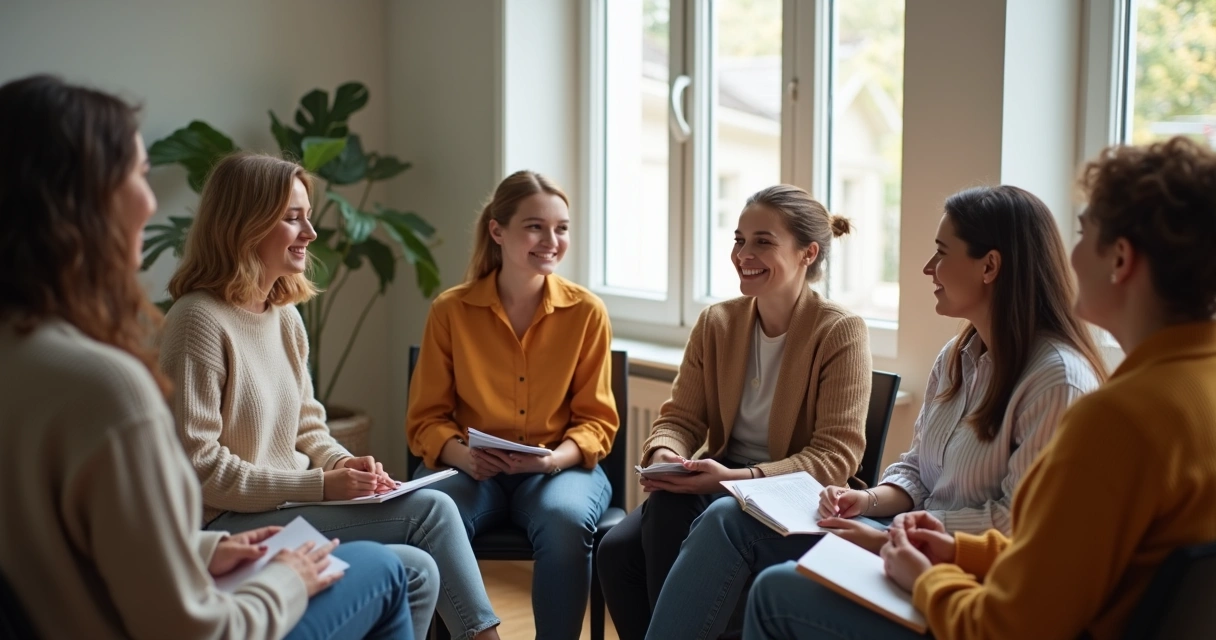
As this practice continues, group members tend to see not just their own patterns but also systemic group patterns—like recurring tensions or alignments—that might otherwise stay hidden.
Encourage observation of group dynamics, not just individual feelings
Many groups stop at the personal. Yet, most patterns arise not from individual intentions, but from group-level interactions. When we invite observation not just of the “me,” but the “we,” bigger truths can emerge for everyone.
- After each discussion, ask: "What did we notice about how we interacted as a group just now?"
- Track recurring themes: Does the group avoid certain topics? Does one person often rescue others from discomfort? Is silence welcomed or quickly filled?
- Explore patterns in group roles: Who often leads, who withdraws, who bridges differences, who challenges? These patterns have roots in unseen group agreements or histories.
- Discuss the group atmosphere: "The energy felt heavy during this topic," or "Everyone seemed relaxed when we spoke about..."
By shifting our gaze from only the individual to the group as a system, deeper collective stories and possibilities surface.

Often, when a group courageously discusses its own dynamics, the air lightens. Old, unseen habits can be named—and often, they start to shift right in that moment.
Return to presence and self-regulation as a group practice
It is easy to become lost in content—debates, opinions, stories—while losing touch with immediate experience. Mature self-observation depends on regular returns to presence, both individually and collectively.
- Try simple breathing together before discussing sensitive topics.
- Schedule short pauses in long meetings for eyes-closed reflection or silent noticing.
- When tension rises, invite everyone to check in with their body: "What’s happening in your chest, shoulders, hands, or face?"
- Remind group members to slow their speech, and encourage silence after questions or challenges. This often gives space for real feelings to be noticed before responses.
Presence is not passive. It means paying attention, moment by moment, not just to words, but to energy, body, breath, and the subtle music of interaction.
Returning to presence is a group superpower.
Conclusion
We believe mature self-observation in groups arises from conscious agreements, non-judgment, skillful feedback, attention to systemic patterns, and collective presence. These ways invite group members to witness not only their own truths, but also the group’s evolving story. Growth happens first inside each of us—but it always grows stronger together.
Frequently asked questions
What is mature self-observation in groups?
Mature self-observation in groups refers to the ability to notice one’s thoughts, emotions, and actions, as well as group patterns, with curiosity and respect rather than judgment or defensiveness. It includes awareness of both personal responses and how these fit into the broader context of group interactions, allowing the group to respond with more understanding and choice.
How to develop self-observation in groups?
To develop self-observation in groups, we suggest starting with safe agreements, practicing non-judgmental awareness, using structured feedback, noticing group dynamics, and including regular practices that return attention to the present moment. Consistent practice of these elements, rather than seeking quick fixes, helps form lasting change.
Why is self-observation important in groups?
Self-observation in groups is important because it helps uncover hidden dynamics, reduce misunderstandings, and create the conditions for trust and growth. It supports both individual and collective responsibility, letting new choices emerge where old habits might otherwise stay unexamined.
What are signs of mature self-observation?
Some common signs include: pausing before reacting, using "I" statements to share feelings, reflecting on one’s own contribution to group patterns, listening attentively to others, and showing openness to feedback. The group, over time, develops more trust and the ability to talk about difficult topics with care.
How can groups practice self-observation regularly?
Groups can practice self-observation by adding regular check-ins, feedback circles, pauses for reflection, and reviews of group process after key moments or meetings. These routines can be short but should be consistent, becoming a natural part of the group’s rhythm.