

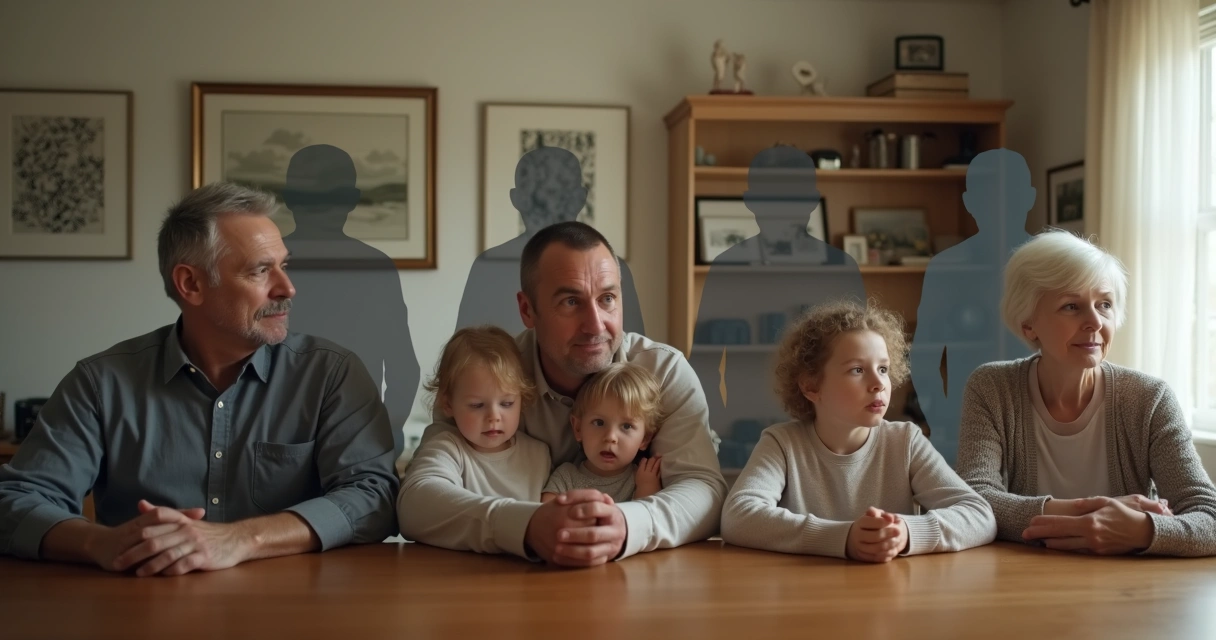
Families can appear united on the surface, but sometimes, what holds them together are invisible threads. We see families behaving as a single unit, supporting each other, celebrating, and even mourning together. Under this togetherness, however, are often “hidden mergers”—unspoken, unconscious alliances or fusions that shape behaviors, beliefs, and sometimes even destinies in ways that escape daily awareness.
Understanding hidden mergers: more than simple unity
We all know families bond for survival, comfort, and tradition. But there are moments when this unity quietly shifts. Some family connections develop into powerful, hidden mergers, blurring boundaries between individual needs and group identity.
Hidden mergers are unconscious systems in which family members fuse aspects of their identity, emotions, or roles in a way that shapes everyone involved—often at the cost of individuality.
These mergers can seem positive. They look like strong love, selflessness, and helpfulness to outsiders. But from within, they often carry invisible costs. A teenager becomes the family “peacemaker,” giving up her own preferences. A parent pours unfulfilled dreams into a child’s ambitions. Siblings carry each other’s burdens as though they are their own.
How do hidden mergers begin?
We find that hidden mergers usually take root in subtle, everyday exchanges. They often begin when:
- Stress or crisis unites the family against a shared struggle.
- Cultural or generational expectations create strong but unseen loyalties.
- An individual’s needs or vulnerabilities are absorbed by others, sometimes from childhood onward.
- Certain stories or secrets become the “glue” that binds members, even if unspoken.
Most of us don’t notice these mergers forming. They happen in the backdrop of routine. Over time, they become part of the family fabric.
The impact of hidden mergers on daily life
The effects of hidden mergers can be both subtle and far-reaching. We have seen families where a member’s troubles are distributed, quietly, among all. Here’s how hidden mergers typically show up:
- Decisions are made as a collective, even when some members are silent about their true wants.
- Individual emotions are dulled or disguised, to keep harmony.
- Patterns of chronic guilt or obligation replace genuine care.
- Family history repeats itself in unconscious ways, sometimes across generations.
It’s the hushed phone call to check in on someone’s health, the group decision made without honest input, the lingering sense that someone must always “fix” family problems. What begins as love or support often turns into a silent contract to absorb, deny, or sacrifice individual needs for the group.

Why hidden mergers go unnoticed
Often, we see people confuse hidden mergers with healthy closeness. This confusion exists because:
- The language of sacrifice and loyalty is praised in many cultures.
- There are unspoken family values about protecting each other “at any cost.”
- Members often have little awareness of how much they are giving up—or absorbing from others.
- Challenging these mergers can sometimes be seen as betrayal, making it easier to keep quiet.
Deep patterns are rarely named when they benefit the family’s appearance of unity and harmony. That is why these invisible bonds are so tricky to see and unravel.
What are the signs of a hidden family merger?
Some clues stand out when we look more closely at family interactions:
- Members sense frustration, confusion, or sadness that does not seem to belong squarely to them.
- Roles in the family are rigid and hard to change, even when life demands it.
- Personal boundaries are unclear, and privacy is rare.
- There is an unspoken pressure to maintain history, secrets, or unresolved grief.
- Decisions about career, love, health, or beliefs feel less “chosen” and more “inherited.”
Sometimes, even as adults, we notice ourselves acting in ways that don’t match our real preferences. This often comes from silent agreements anchored in the family system.
The emotional cost and overlooked risks
We recognize that not all mergers are “bad”; many families withstand hardship precisely because of strong, shared bonds. But when these connections go unexamined, they can cause subtle pain. Possible risks include:
- Loss of self-awareness or inner direction.
- Difficulty forming relationships outside the family.
- Feeling unwanted guilt, resentment, or dependence.
- Carrying forward pain or trauma that truly belongs to the past.
A hidden merger can feel like carrying someone else’s backpack for years—without noticing the weight.
Unseen burdens shape choices long after the original reason for merging has disappeared.

Steps to recognize and change patterns
Noticing hidden mergers is a slow, careful process. We have learned that it begins by gently questioning what belongs to us and what we are carrying for others. Here are some helpful steps:
- Ask, “Is this feeling, worry, or dream really mine?” Sometimes, strong emotions are inherited.
- Reflect on repeating family roles. Who always saves the day? Who never shares feelings?
- Notice how decisions are made. Are you speaking your truth or protecting someone else’s comfort?
- Invite small changes in how you communicate your real wants and needs.
- Talk openly about patterns. Sometimes, family members are relieved to name what was never spoken before.
Healing does not mean breaking ties, but becoming more conscious of how those ties work. The goal is not separation, but mature connection—with space for each individual self to be seen and respected.
The road to authentic connection
As families grow or change, every hidden merger brings a chance for new awareness. When even one person begins to see the patterns, a gentle shift can happen. Choices become freer. Voices are heard. Old pain can be set down.
This work, in our experience, is ongoing. It does not always bring instant relief, but it does open possibilities for more honest relationships, inside and outside the family.
When hidden mergers are seen, healing begins.
Conclusion
Hidden mergers in families are powerful, silent shapers of life. They bind, support, confuse, and sometimes limit us—all under the surface. By learning to recognize these patterns, we create space for genuine connection, growth, and respect for what is truly ours. When families begin to see and discuss their silent mergers, they open the doors to new understanding, freedom, and, often, a loving sense of relief.
Frequently asked questions
What is a hidden family merger?
A hidden family merger is an unconscious blending of roles, emotions, or responsibilities within a family that shapes the identities and choices of its members, usually without being openly discussed. It often leads to individuals losing clarity about where their own feelings and needs begin or end.
How do hidden mergers affect families?
Hidden mergers can reduce individuality by promoting silent sacrifices, set unspoken expectations, and cause emotional stress. Over time, they may create confusion, guilt, or dependency that affects decision-making and well-being.
Why do families hide mergers?
Most families hide mergers without meaning to. They often blend identities to cope with challenges, maintain harmony, or fulfill cultural expectations. By staying hidden, these mergers avoid open conflict but can still deeply influence everyone involved.
How can I spot a hidden merger?
You can spot a hidden merger by noticing when your actions, feelings, or decisions seem more about the family’s expectations than your own. Repeated roles, unspoken rules, lost boundaries, or inherited worries are common signs.
Is it bad to hide mergers in families?
Hiding mergers is not always “bad,” but when not recognized, they may quietly limit freedom and lead to ongoing stress or loss of personal direction. Acknowledging them brings a chance for more honest, respectful relationships.