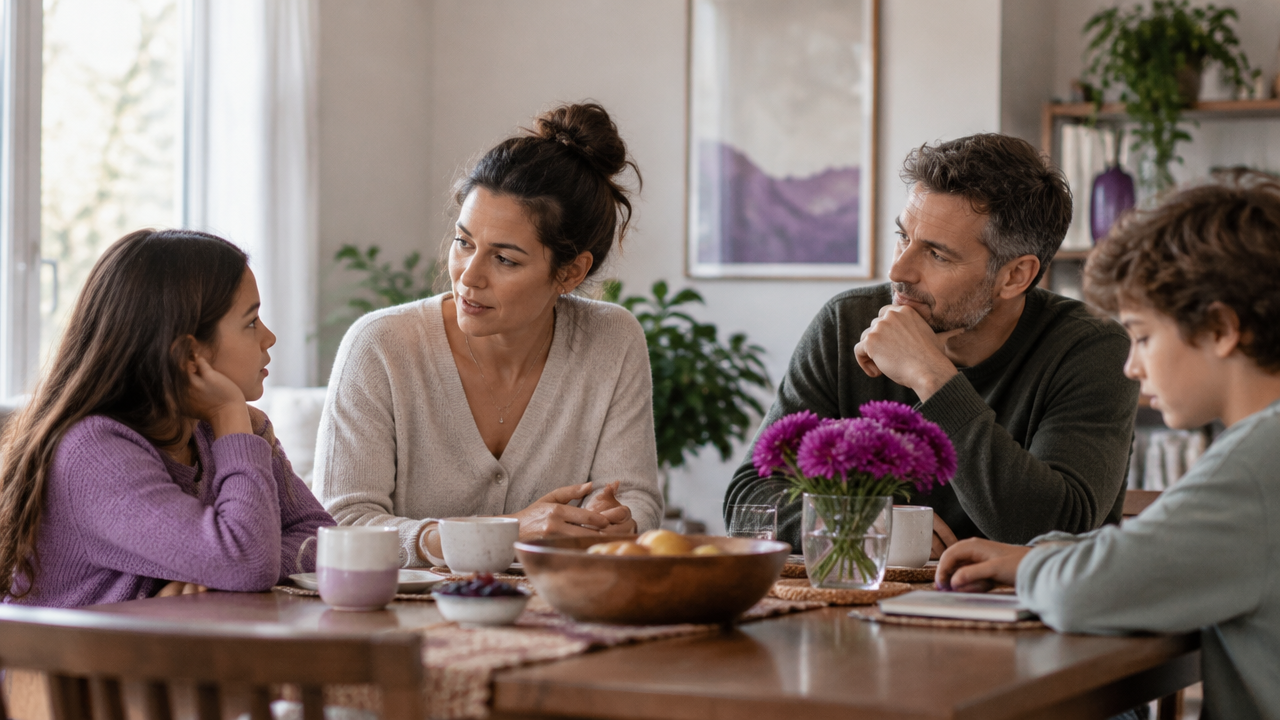

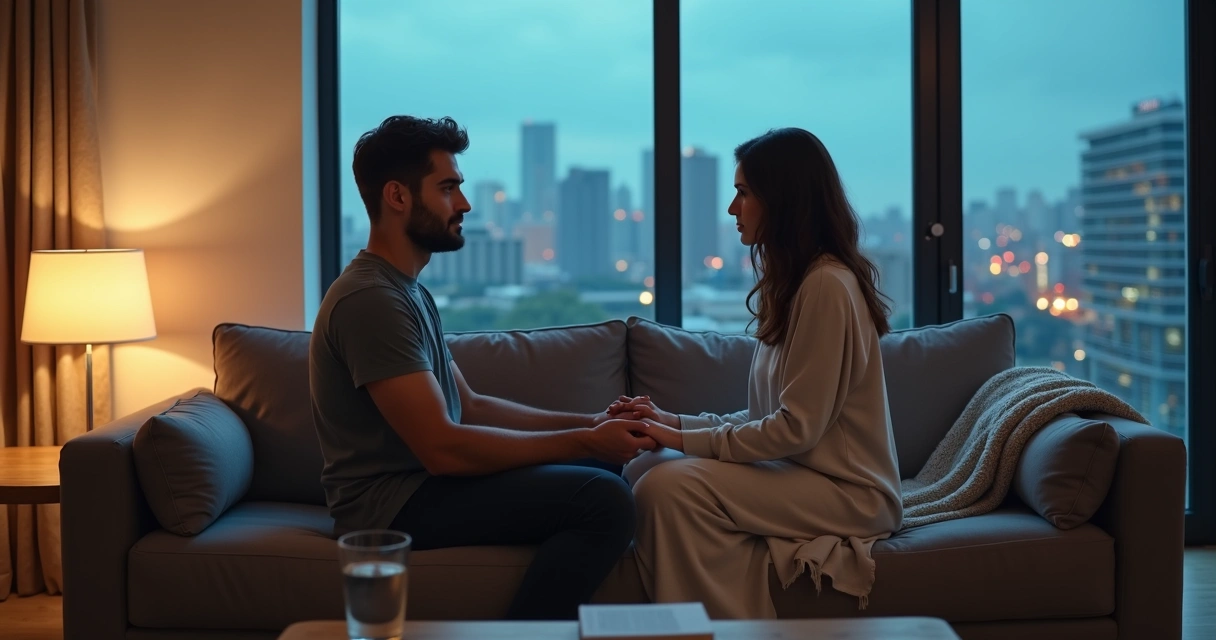
Every relationship is a meeting of stories. Sometimes, those stories are heavy. Sometimes, invisible wounds from previous chapters shape how we love, speak, and react now. We have noticed, both in our experiences and through research, that many couples unconsciously carry pain from the past into their present partnerships. When these echoes of old hurts show up in new arguments, affection fades or begins to feel risky.
How past pain sneaks into present relationships
Projecting old pain isn’t about being dramatic or failing. It happens quietly, rooted in our nervous system and learned responses. If someone betrayed our trust years ago, sudden suspicion can rise in us today, even if our partner is fair and open. Our minds build bridges between what was and what is.
Studies with college students have revealed how childhood trauma predicts lower romantic satisfaction later in life, often entering relationships disguised as anxiety, doubt, or withdrawal. We do not pick this; it picks us—until we see it.
Unhealed pain finds a way to speak, even when we try to silence it.
We cannot erase what happened, but we can choose what happens next.
Why do we project?
From our perspective, projection is not a flaw but a defense. By projecting hurt or fear onto someone else, we try to make sense of uncomfortable emotions. For example, if we were rejected before, we may expect and even look for signs of rejection now—even when there are none. This creates a loop:
- Past triggers are activated by current situations.
- Our body remembers old threats and reacts strongly, sometimes with more force than the situation calls for.
- The partner feels misunderstood or attacked and responds defensively, increasing the tension.
Research on adult relationships after emotional maltreatment shows people feeling less safe, struggling with trust, and having higher rates of conflict.
Projection is our mind’s way of protecting us, but it can harm the relationships we value most.
What does projecting look like in daily life?
Recognizing projection is the first step to changing it. We’ve noticed some common patterns when people are unknowingly projecting past pain:
- Accusing a partner of bad intentions with little evidence
- Reacting more strongly to small disappointments than seems fair
- Punishing a partner for something someone else did years ago
- Feeling suspicious without clear reason
- Withdrawing emotionally, expecting to be hurt
Every couple has disagreements, but when the emotion feels out of scale with the moment, projection may be at work. Our partners might notice and gently ask, "Is this about us, or is it about something else?" Such questions can reshape a conversation.

How can we stop projecting past pain?
The process begins with self-awareness. We believe that no meaningful change happens without first facing what is difficult inside ourselves. Here is what helps:
- Name the feeling. When a reaction feels too big for the moment, pause and ask, "Is this about now or before?"
- Trace the root. Reflect on where this feeling first showed up in your life. Was it from a past relationship or childhood?
- Share honestly. Explain to your partner when you notice projections happening. "I just realized that my fear here is about something old, not about you."
- Listen openly. Stay present when your partner does the same. We all want to be heard, not fixed.
- Choose consciously. After recognizing an old pattern, ask, "What does this person in front of me actually deserve from me right now?" Respond to what is present, not what was.
According to large-scale studies of adult relationships, healing old wounds can significantly improve closeness with partners and family. The greatest gift we give our current loved ones is our willingness to heal our own pain.
What role does our partner play?
While we are responsible for our emotions, our partner influences how safe we feel to process and share them. A patient, empathetic listener can make all the difference.
That said, we cannot ask our partner to heal us or fill in old gaps. We have seen that taking ownership of our projections keeps the relationship grounded in reality. Partners can support but never rescue. We need to remember that.
Ways to build safer patterns together
Healing projection involves new habits. Over time, we can create safer spaces in the relationship by practicing:
- Checking in about our triggers and sharing when they arise
- Slowing down heated conversations to avoid escalation
- Expressing gratitude when our partner responds gently to an outburst
- Setting clear boundaries and respecting limits
- Committing to personal growth, alone and as a couple
The process is not perfect. There will be setbacks. But every step toward self-awareness reduces the grip of the past on our present.
Healing is not about forgetting, but about choosing new ways to respond.
How the past shapes the future
Large research projects have shown that childhood adversity—such as neglect, abuse, or repeated emotional injury—raises the chance of future distrust and separation. For example, people who experienced trauma as children reported more relationship struggles, higher divorce rates, and even found it harder to feel close to anyone as adults, especially according to a study on long-term effects of childhood abuse and neglect.
But these facts do not have to define us forever. We can break cycles, with effort, patience, and lots of honest reflection.
Our conclusion: Responsibility opens doors
We have seen again and again that becoming aware of projection creates space for healthier, deeper connections. Every time we pause and choose not to let old fears drive new reactions, we open a door to greater trust. If we want love to grow, we have to weed the old hurts from new soil.
We are not our wounds, and neither is our partner.
With attention, care, and responsibility, we can stop old pain from writing the story of our current relationship.
Frequently asked questions
What is projecting past pain?
Projecting past pain is when old emotional wounds unconsciously shape our thoughts, feelings, or actions toward a current partner, even if the present situation does not deserve it. This often happens without us realizing it, and can lead to misunderstandings or conflict when we react to our partner based on past hurts.
How can I stop blaming my partner?
To stop blaming your partner, start by noticing when your reaction feels bigger than the present situation calls for. Name your feelings, trace where they come from, and be honest with your partner about your triggers. Personal responsibility and open communication are key steps in breaking the blame cycle.
Why do I repeat old relationship patterns?
We repeat old patterns because our brain and body try to protect us from past pain by looking for similar threats, even when none exist. Early experiences, attachment styles, and past trauma can become habit, shaping how we respond in the present until we bring them into awareness and choose new actions.
Is couples therapy helpful for this issue?
Yes, couples therapy can be helpful in identifying, understanding, and interrupting cycles of projection. Therapy offers a safe space to recognize patterns, develop healthier communication, and support mutual healing by focusing on both individual responsibility and the couple’s dynamic.
How do I heal from past hurts?
Healing from past hurts involves self-awareness, self-compassion, honest communication, and sometimes professional support. Practices such as reflecting on painful memories, sharing with trusted people, and learning new responses allow old wounds to lose power over current relationships.