


When we observe families, we see that change rarely happens as smoothly as we wish. Even with the best intentions, resistance appears—sometimes clearly, other times hidden beneath daily routines or sudden conflicts. In our experience, this resistance does not arise by accident. Instead, it reflects deeper systemic patterns that tie individual reactions to family history, invisible loyalties, and the way each person belongs in the group. We believe that understanding these patterns can reveal new paths for transformation—both for each member and the family as a whole.
The hidden structure of family resistance
We have seen families stuck in old roles and cycles—even when change would help everyone. Why does this happen? It helps to remember:
“No one stands alone. Our roots always reach farther than we think.”
Systemic patterns work under the surface. They link one generation to the next, shaping expectations, fears, and even hopes. Many people feel alone in their struggle for change, not realizing they are often wrestling with forces larger than themselves.
1. Loyalty to family tradition
Families often repeat certain habits or beliefs, not only out of comfort but out of loyalty to past generations. This does not mean that old values are always wrong, but rather that rejecting them can feel like rejecting one’s own place in the family chain. We notice that even those who rebel are often acting out a different version of inherited loyalty—sometimes by opposition, sometimes unconscious alignment.
2. The need for belonging
Belonging is a basic human need. In family systems, any change that threatens this can create anxiety. Some members may fear being left out if they change too much, or if they challenge long-held norms. We have heard people whisper, “I can’t be different or they’ll stop loving me.” This fear shapes decisions for years.
3. Unspoken family contracts
Many families operate by hidden “rules,” known as unspoken contracts. Examples include “We never talk about money,” or “Anger is not welcome here.”
Breaking an unspoken contract is one of the fastest ways to trigger resistance in a family. The rules are not always fair, but because they are rarely spoken, challenging them feels unsafe. People who try to do so may be accused of being disloyal or disruptive.
4. The role trap
We often see that each family member is assigned a role—hero, black sheep, peacemaker, provider, or victim. These roles may offer a sense of identity, but they also confine. When one person tries to step outside their role, the rest of the family may feel threatened. This can result in subtle sabotage or open criticism: “Why are you acting so different?”
5. Invisible loyalties
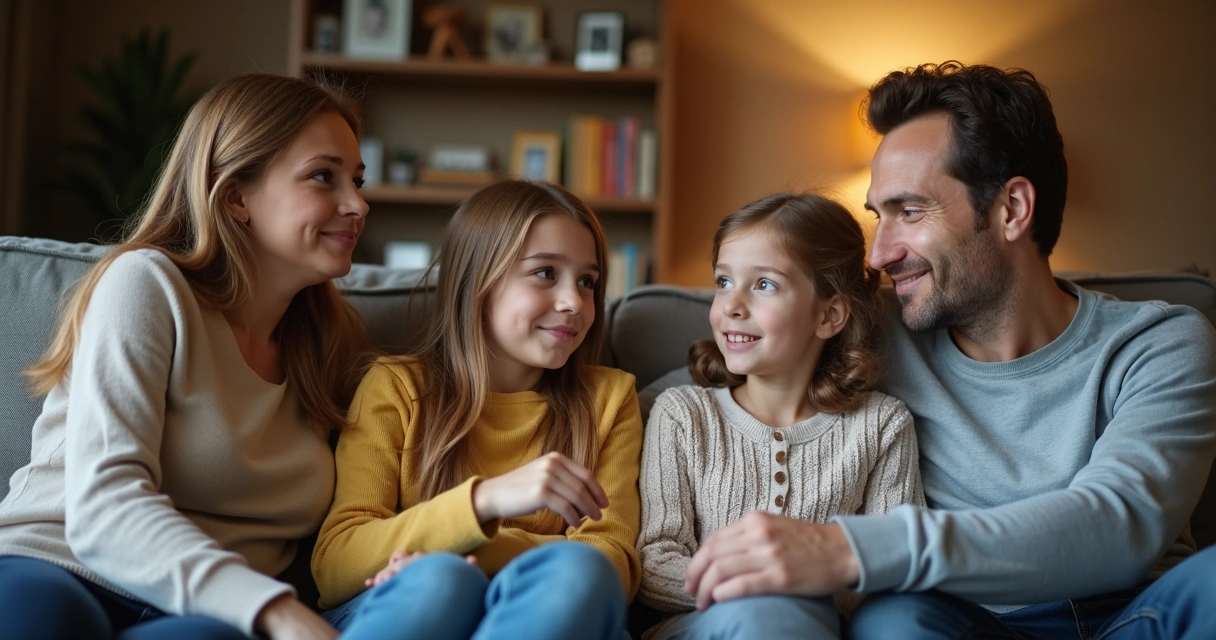
In our work with families, we often find that deepest resistance comes not from what is said, but from ancient, invisible ties. These invisible loyalties shape actions and choices long before anyone is aware of them. For example, a child might unconsciously hold back from succeeding academically, out of loyalty to a parent who never had the same chance.
6. Intergenerational pain and secrets
Many families carry unprocessed traumas, losses, or family secrets across generations. Unspoken pain shapes boundaries and values. When someone tries to change, these buried wounds can resurface, as the change may threaten the silence that kept the pain hidden. Silence, then, becomes both bond and barrier.
7. Homeostasis: The pull of balance
Families naturally strive for equilibrium, even if it’s unhealthy. This is called homeostasis. Any attempt to move away from the familiar can be met with resistance, because change upsets the balance—even a painful or dysfunctional one. A child’s growth or a parent’s new habit may trigger efforts, conscious or not, to “restore” what feels normal to everyone else.
8. Trauma repetition
Sometimes families unconsciously repeat old traumas. These patterns can show up in cycles of conflict, withdrawal, addiction, or unstable relationships. While change offers a chance for healing, the family system may resist, preferring the “known misery” over the “unknown possibility” of something better. Repetition offers predictable pain; change offers unpredictable relief—and that can feel risky.
9. Fear of exclusion or betrayal
Strong resistance can arise when change is seen as a betrayal of family origins, traditions, or history. Members may shame or exclude those who try to change, connecting their attempts to personal disloyalty instead of growth. This pattern can block honest conversations, replacing them with silence or argument.
10. Scapegoating and projection
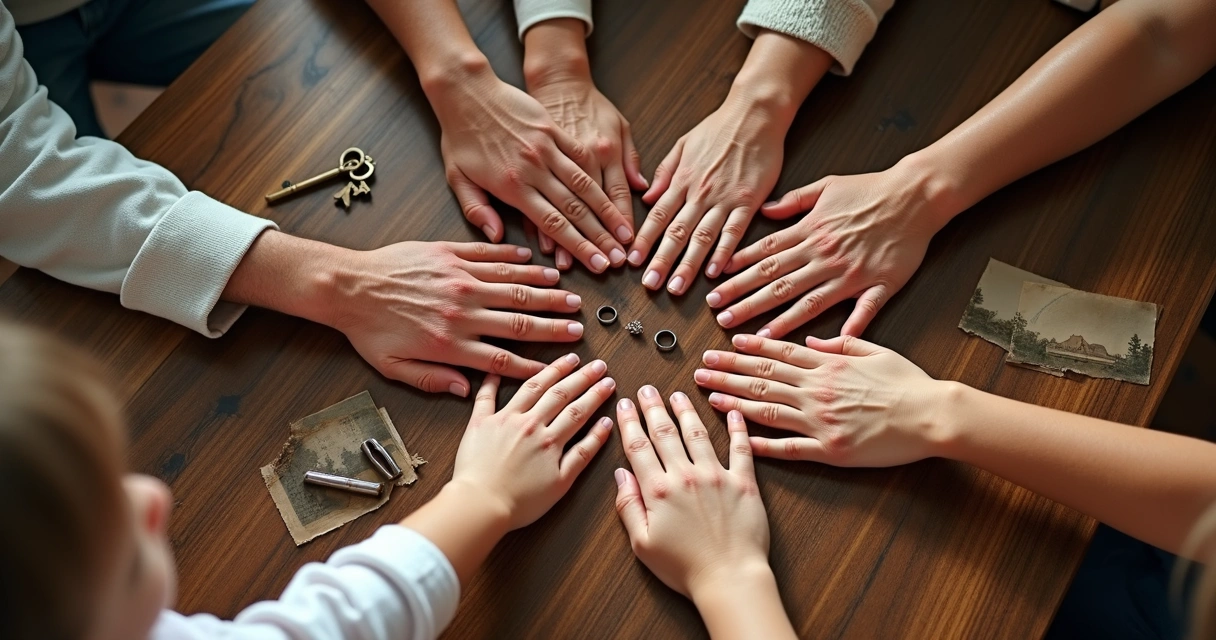
Families may manage inner tensions by projecting problems onto one member—the “scapegoat.” When change is suggested, the scapegoat might be blamed for any discomfort or chaos, keeping old patterns intact. We see this in statements like “Everything was fine before you started therapy,” or “You’re the one causing problems.”
11. Unmet needs for recognition
If individual efforts or pain go unrecognized, resistance increases. Members might compete for attention or validation in subtle ways. When change shifts recognition or challenges old hierarchies, insecurity surfaces, and resistance rises. Sometimes, a new success in one member triggers jealousy or fear in another who never received acknowledgment for the same effort.
12. Fear of the unknown
Finally, perhaps the most universal pattern: fear of the unknown. Families may resist change simply because it moves everyone out of familiar territory, forcing a new kind of relating, thinking, or feeling. Safety is often found in routine, even if it hurts. The awkwardness of “new” can make people long for the comfort of “old.”
How to recognize systemic resistance in practice
Noticing these patterns can be subtle. They show up in minor arguments, sudden silence, or feelings of being stuck. They can also appear when one member suddenly faces “bad luck” after trying something new, or when family members unite to criticize new behaviors. Every family resists in its own way, but the patterns above are surprisingly common.
What can we do when resistance appears?
We have learned—sometimes the hard way—that confronting resistance with anger only deepens it. Instead, we suggest:
- Pause and notice the pattern instead of reacting impulsively.
- Ask what the resistance might be protecting (often security or loyalty).
- Honor the old ways, even as you name why change is needed.
- Open gentle conversations about the origin of beliefs and habits.
- Encourage curiosity instead of blame.
This approach does not eliminate resistance overnight. But it makes space for honest dialogue—and, with time, new growth.
Conclusion
In families, every change pushes and pulls on the hidden connections between generations, stories, and roles. Resistance may look like stubbornness or fear on the surface, but it almost always reflects something deeper—a system protecting itself the only way it knows how. We are convinced that by shedding light on systemic patterns, families can choose together how to honor their past while opening doors to new futures.
Frequently asked questions
What is resistance to change in families?
Resistance to change in families describes the behaviors, attitudes, or emotions that arise to keep things as they are, even when change would be helpful. It is usually a sign that deeper needs for security, belonging, or loyalty are being triggered whenever someone attempts to introduce new habits, roles, or ideas within the family.
What are common patterns of family resistance?
Common patterns include loyalty to tradition, the need for belonging, unspoken family contracts, assigning fixed roles, upholding invisible loyalties, carrying unaddressed trauma, the drive for homeostasis, trauma repetition, fear of exclusion, scapegoating, unmet needs for recognition, and fear of the unknown. Each of these patterns helps families remain stable but may also prevent growth or adaptation when new situations arise.
How can I help my family change?
You can help your family change by first understanding and respecting the underlying patterns and needs that drive resistance. Invite open conversations, show empathy for concerns, encourage small experiments instead of big shifts, and honor family history while expressing your reasons for change. Patience and kindness are often much more effective than pressure or confrontation.
Why do families resist new ideas?
Families may resist new ideas because these ideas can threaten feelings of safety, tradition, or belonging. Change often challenges the family’s usual way of relating and can awaken fears or memories tied to the group’s past. The unknown can feel risky, and so people instinctively hold on to what is familiar—even if it is not working well.
What are the benefits of overcoming resistance?
Overcoming resistance allows families to adapt, grow, and heal old wounds. It can create a more honest, flexible, and supportive environment where every member has room to be themselves. When resistance is recognized and respected rather than fought, change becomes a shared process—building trust and opening new possibilities for everyone involved.