


Change doesn’t quietly tiptoe through an organization. It rattles routines, raises questions, and—if not managed well—can even fracture the collective confidence that glues a team together. In our experience, anxiety spreads easily during times of transition. We identified twelve distinct triggers that help explain why entire groups can feel unsettled together. Recognizing these gives us a start to creating healthier environments for everyone involved.
Uncertainty about the future
When leadership announces sweeping changes but can’t clearly explain what the future holds, people often feel lost. We’ve seen teams struggle to plan even small tasks because their direction seems unstable.
Uncertainty clouds every decision.People need clarity to feel secure in their roles and plans.
Lack of information or mixed messages
If updates from managers sound unsure, or if rumors fill the silence left by poor communication, anxiety takes root. When messages change week to week, trust can erode fast.Clear and timely information is the antidote to workplace anxiety.
Loss of control
Change can remove the sense that we have any influence on the outcomes that affect us. Even seasoned professionals can feel powerless when their tools, projects, or workflows shift without their input.When we lose agency, stress levels naturally rise.
Job security fears
Few things stir up unrest like whispers of downsizing or restructuring. If people think their livelihood could be in danger, collective anxiety ramps up quickly.
Security—the steady ground beneath our feet—matters more during times of change.
Ambiguous roles and responsibilities
Confusion thrives when people aren’t sure who does what anymore. We’ve seen groups wait for direction when new structures or merged departments are announced, leading to bottlenecks and second-guessing.
Fear of making mistakes
Rapid shifts or new systems leave little room for comfort. When expectations change overnight but there’s little training or guidance, teams worry that small errors will have big consequences.
Fear of failure can paralyze an organization in transition.
Workload overload
Change projects almost always require extra energy. But when core tasks keep piling up while new responsibilities land, collective stress rises. It feels like carrying yesterday’s baggage and tomorrow’s too.
Disrupted relationships
A reorganization can redraw lines between departments and even split up long-standing teams. When familiar work friendships are shaken, people may feel isolated or less connected to their group identity.
Loss of shared purpose
We’ve noticed that when an organization’s mission or values are called into question—perhaps by a new direction or leadership—people begin to question not just what they do, but why. Without a sense of common purpose, anxiety can push people apart.
Leadership instability or visible conflict
If leaders seem uncertain, debate openly, or appear disconnected from the experience of the wider team, the impact ripples outward. Employees look for steady hands during transitions.Stability at the top helps keep everyone anchored.
Lack of recognition and support
In fast-changing times, effort sometimes goes unnoticed. When contributions are overlooked or support is absent, morale and motivation can slump. This is especially true if new projects steal focus from daily achievements.
Competing priorities and values
It is easy to forget that organizations are made up of different people, with their own ideas on what matters most. When a new strategy or set of goals clashes with an existing culture, workers may feel like their values or ways of working aren’t respected.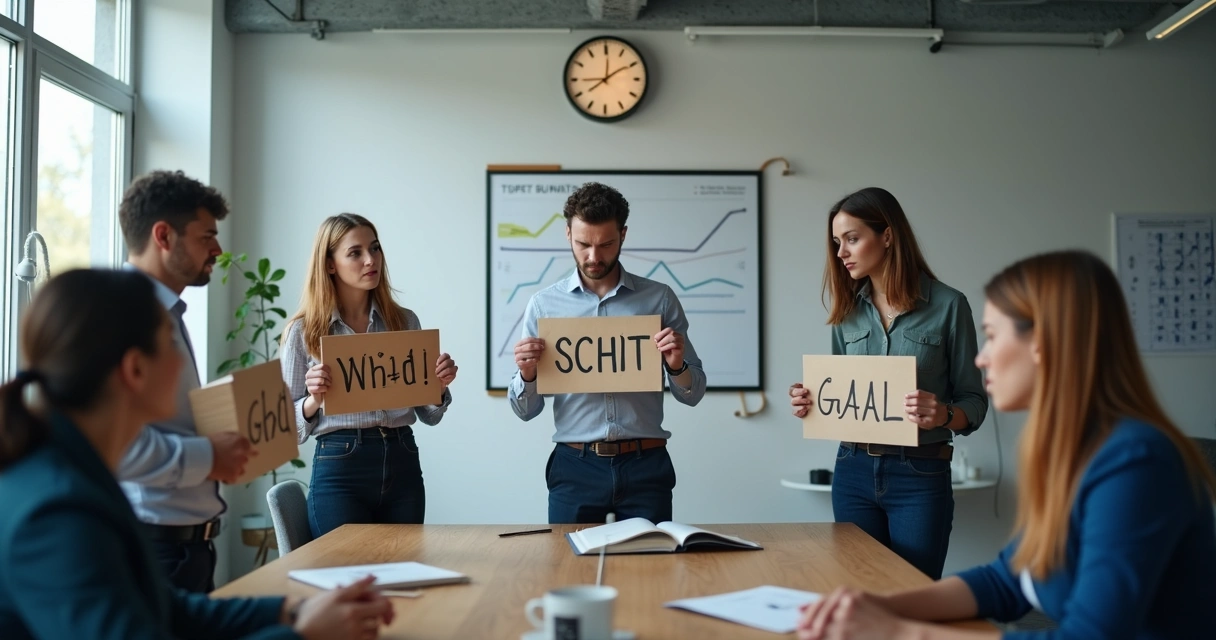
Conclusion
We believe that recognizing these twelve triggers is not just a task for leadership; it’s a collective responsibility. When organizations face change, collective anxiety is rarely the fault of a single factor. Instead, it emerges from a web of experiences, communication breakdowns, and disruptions that can impact anyone.
Each of these triggers can be managed with honest dialogue, consistent support, and a willingness to acknowledge what’s really happening. That’s where trust grows and teams start to feel safe again. We’ve seen the difference that awareness and proactive care can make—and we know it’s possible to ease the ripples of anxiety, even during big transitions.
Frequently asked questions
What is collective anxiety in organizations?
Collective anxiety in organizations is the shared feeling of unease, worry, or tension experienced by groups of employees, often triggered by large-scale change or uncertainty. It can show up as doubt, lower motivation, or even increased conflict, and is carried together by the group rather than just by individuals.
What are common triggers of workplace anxiety?
Common triggers of workplace anxiety include a lack of clear information, uncertainty about the future, job security worries, changing roles, too much workload, leadership changes, disrupted relationships, and a feeling of not being supported or recognized. Any situation that disrupts predictability or trust in the workplace can spark anxiety.
How can leaders reduce collective anxiety?
Leaders can reduce collective anxiety by sharing clear information consistently, involving teams in decision-making, setting stable structures, recognizing achievements, and demonstrating empathy. Building trust and providing reassurance helps create a sense of safety during uncertain times.
Why does change cause anxiety at work?
Change causes anxiety because it disrupts routines, expectations, and the sense of control people rely on to feel safe and productive. When the future feels unclear or familiar ways of working are suddenly questioned, most people naturally feel unsettled.
How do I identify anxiety triggers?
To identify anxiety triggers, watch for patterns: increased absenteeism, more mistakes, lowered engagement, or clusters of concerns raised in meetings can all point to underlying stress. Honest feedback sessions, surveys, and simple conversations can help surface what’s really causing tension within a team.