
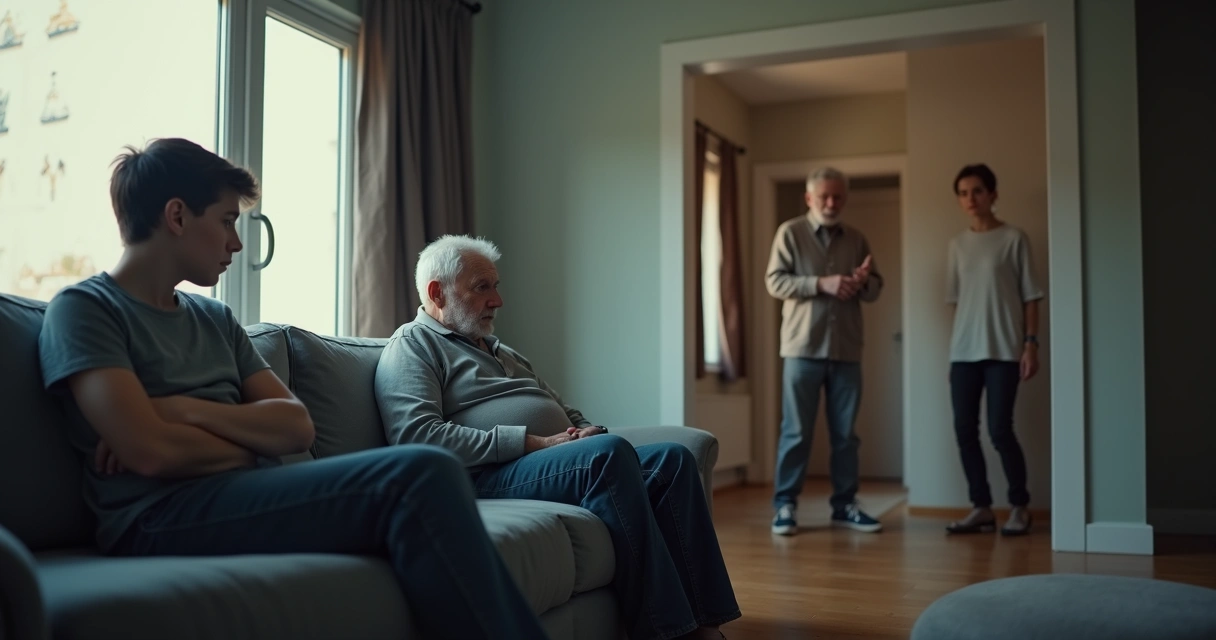
In families, workplaces, and even among friends, we sometimes encounter silent gaps that stretch for years. These are the scars of emotional cutoffs: moments when communication is severed to shield against pain, but at a cost. We often hear others say, “It’s just better this way.” Yet, we know this wish for peace is often a cover for deeper struggles. Why do these cutoffs not only linger, but also seem to pass from one generation to the next? In our view, the answer lies in a mix of emotional, relational, and systemic factors, tangled up in quietly repeating loops.
The hidden roots of emotional cutoff
Emotional cutoffs happen when someone feels too overwhelmed, hurt, or unsafe to stay emotionally close. They choose distance as a defense. Although it brings relief at first, over time this “solution” weaves patterns into the fabric of families, friendships, and even workplaces.
Emotional cutoff is not the same as simple conflict avoidance; it is the act of withdrawing and maintaining a distance to protect oneself from emotional pain.
- Family members may refuse to talk for years after a dispute.
- Colleagues may stop collaborating because of past disagreements.
- Friends might quietly drift apart after a betrayal, leaving questions lingering in silence.
What begins as a reaction soon feels like an unspoken family rule—or, in systemic terms, a “loyalty” to silence over honest engagement. These rules can operate under the surface, shaping actions without explanation.
Generational patterns: How silence becomes legacy
When we study intergenerational relationships, we often see patterns repeating in subtle but powerful ways. Children grow up learning what is spoken, and also what is never spoken of. The unsaid becomes formative. Children who watch parents, uncles, or grandparents cut each other off may not understand the reason, but they learn the method: “If things get too hard, distance is the answer.”
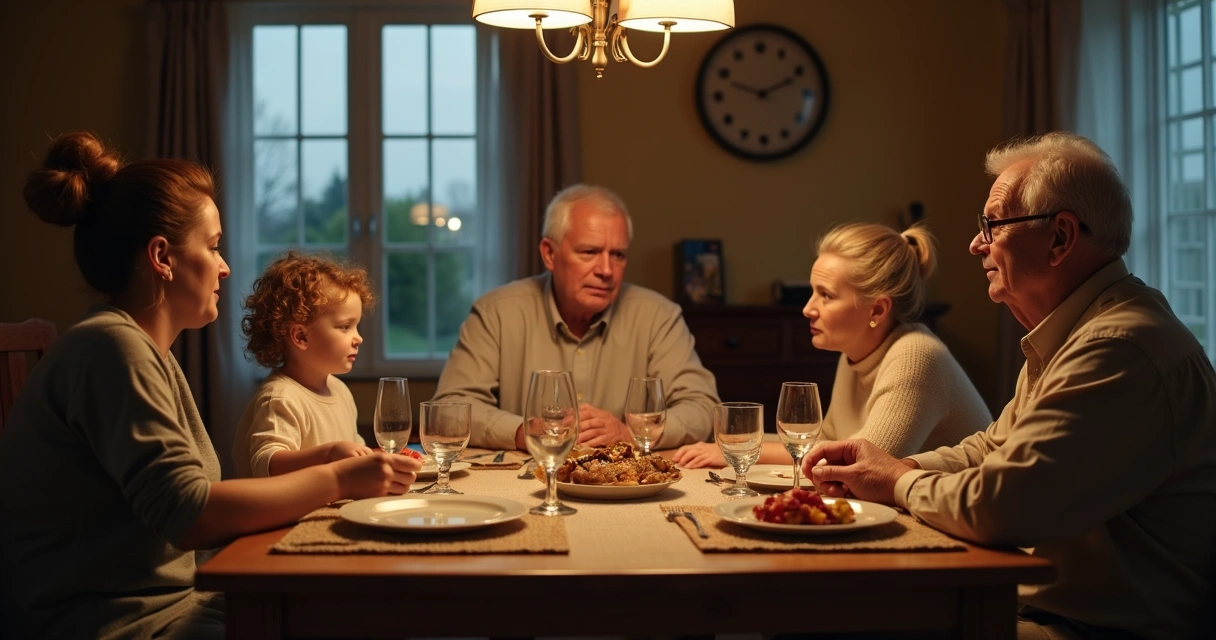
We see these legacy patterns in many ways, including:
- Unspoken family stories (“We don’t talk about your uncle anymore.”)
- Repeated avoidance of certain relatives at gatherings
- Children mimicking parental strategies for coping with stress or discord
- Inherited attitudes toward conflict (“In our family, we just walk away.”)
This silent teaching is not intentional; it is a natural byproduct of living in close connection. Yet, it quietly shapes the next generation’s choices—often far more than spoken advice.
Key factors keeping cutoffs in place
Why do these patterns not shift, even when people wish for reconciliation or change? From our experience, several factors keep emotional cutoffs locked in place.
1. Unprocessed trauma and strong emotions
When hurtful events occur, they sometimes overwhelm our ability to cope. If the pain isn’t addressed, it becomes a silent weight—one we may carry for years. Unprocessed pain often leads to withdrawal as a way to escape discomfort or a sense of threat.
Repeated experiences of betrayal, abandonment, or humiliation can leave scars that feel too painful to revisit. Instead, families rely on distance as a buffer, gradually making avoidance a habit.
2. Rigid family rules and beliefs
Some families or groups develop beliefs that prioritize keeping the peace at any cost. Conflict might be seen as dangerous, disrespectful, or shameful. In other cases, family narratives insist that “certain things are never spoken of.”
- “Children should always obey, no matter what.”
- “Real men don’t talk about their feelings.”
- “We can’t show weakness to outsiders.”
Rules like these restrict natural conversations. When silence and distance become measures for “keeping the peace,” real issues go unaddressed.
3. Loyalty conflicts
Loyalty conflicts happen when people feel torn between two sides—say, between parents after a divorce, or between siblings during an inheritance dispute. Choosing one relationship feels like betraying the other. Cutoff becomes a way to escape impossible choices.
We have seen that these loyalty binds create patterns where silence is chosen over resolution, because the risk of hurt or rejection is perceived as too high.
4. Societal pressures and stigma
In many cultural contexts, family unity is idealized, and emotional separation is viewed as failure or shameful. This social pressure can make individuals hesitant to discuss or repair ruptures, fearing judgment from others.
People often say, “Others wouldn’t understand anyway.” So, the silence deepens.
5. Limited emotional resources
A lack of emotional skills, such as self-reflection or conflict management, limits efforts to reconnect. If generations have rarely discussed emotions, it feels safer to keep distance than risk an awkward reunion.

The impact of emotional cutoff on individuals and relationships
The effects of emotional cutoff reach far beyond the individuals directly involved. Relationships can weaken, shared stories disappear, and the sense of belonging gets fractured. Children raised in such environments may struggle to understand their own emotional responses or build trust in future relationships.
Isolation becomes normal. The absence of repair or conversation means that misunderstandings grow unchecked, and small hurts are never healed. Over time, a single event can snowball into years of silence or even lead to a full rupture of family lines.
Silence protects, but it also imprisons.
Pathways to change: Breaking the cycle
Patterns can shift, but it takes effort, courage, and support. Here are some steps that we find help:
- Developing emotional awareness: Learning to recognize and name feelings is the first step.
- Challenging old rules: Questioning inherited beliefs about conflict, loyalty, and emotion can open new paths.
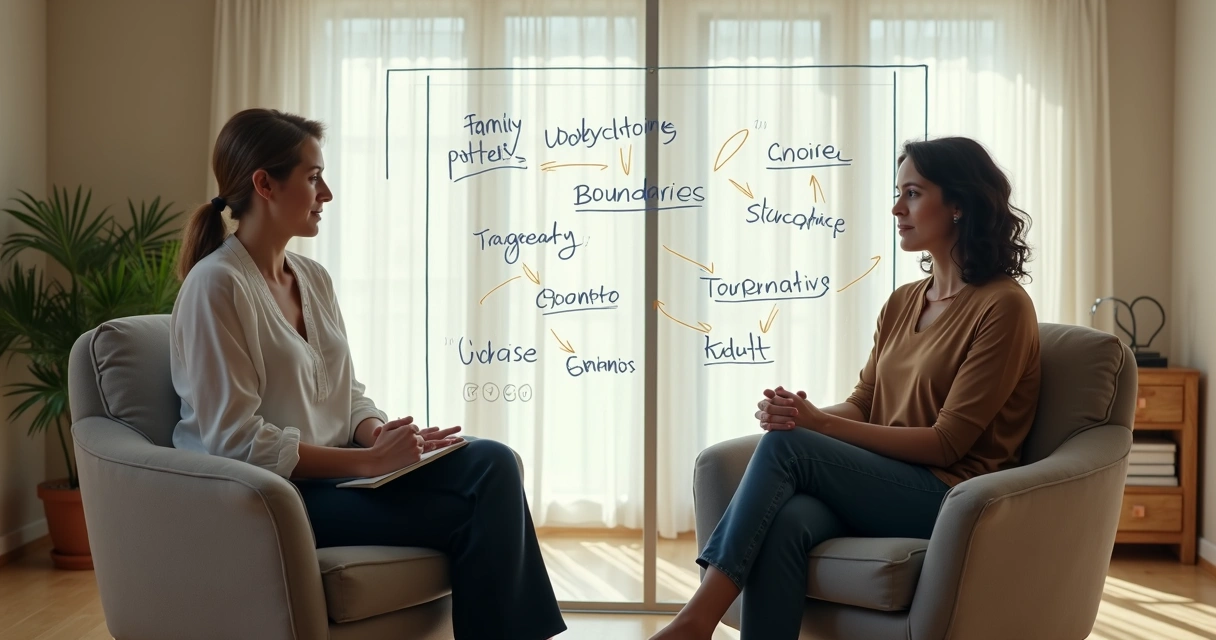
- Seeking safe spaces: Talking with trusted friends, mentors, or guides can help process pain and imagine new choices.
- Making gradual contact: Small steps, like a letter or brief conversation, can begin to build bridges where silence once stood.
Breaking these cycles is rarely quick or smooth. We believe that acknowledging the pattern, and understanding its roots, is a powerful act of change—even if the outcome takes time.
Conclusion
Emotional cutoffs are rarely chosen lightly, and their persistence across generations is no accident. The roots run deep: from unhealed traumas and hidden family rules to social pressures and skills that were never taught. These patterns are powerful, but they are not unchangeable.
When we seek to understand why cutoffs linger, we uncover not only pain, but also the ways people have tried to protect themselves and their loved ones. If we can bring patience and curiosity, we may find new ways forward—ways that honor both our need for safety and our longing for connection.
Frequently asked questions
What is an emotional cutoff?
An emotional cutoff is the act of distancing oneself emotionally from another person or group, usually to escape pain, discomfort, or conflict. This might involve breaking off contact, avoiding communication, or creating invisible barriers, and it often happens when other methods of dealing with hurt or disagreement feel too risky or difficult.
Why do cutoffs last for generations?
Cutoffs tend to last for generations because the patterns become normalized. Children watch and absorb how their elders handle conflict and pain, internalizing silent rules about what is safe or unsafe to express. These unspoken lessons then pass down, shaping future decisions without being directly addressed or questioned.
How can I break a family cutoff?
Breaking a family cutoff starts with self-awareness and openness to change. This might include learning about your own emotions, questioning inherited beliefs, seeking help when needed, and making small, careful attempts to reach out. It may also help to communicate your intentions clearly and choose times when both sides can listen and be heard safely.
What causes emotional cutoffs to start?
Emotional cutoffs often begin when a person feels overwhelmed by pain, betrayal, or ongoing conflict. If there is no safe way to resolve these feelings, withdrawal seems to offer relief. Sometimes, old family stories, rigid rules, or loyalty conflicts also push people to choose silence over conversation.
Can therapy help with emotional cutoffs?
Yes, therapy can support individuals and families in understanding and repairing emotional cutoffs. With guidance, people can process old hurts, practice new communication skills, and gradually rebuild relationships in ways that feel safe and respectful for everyone involved.